




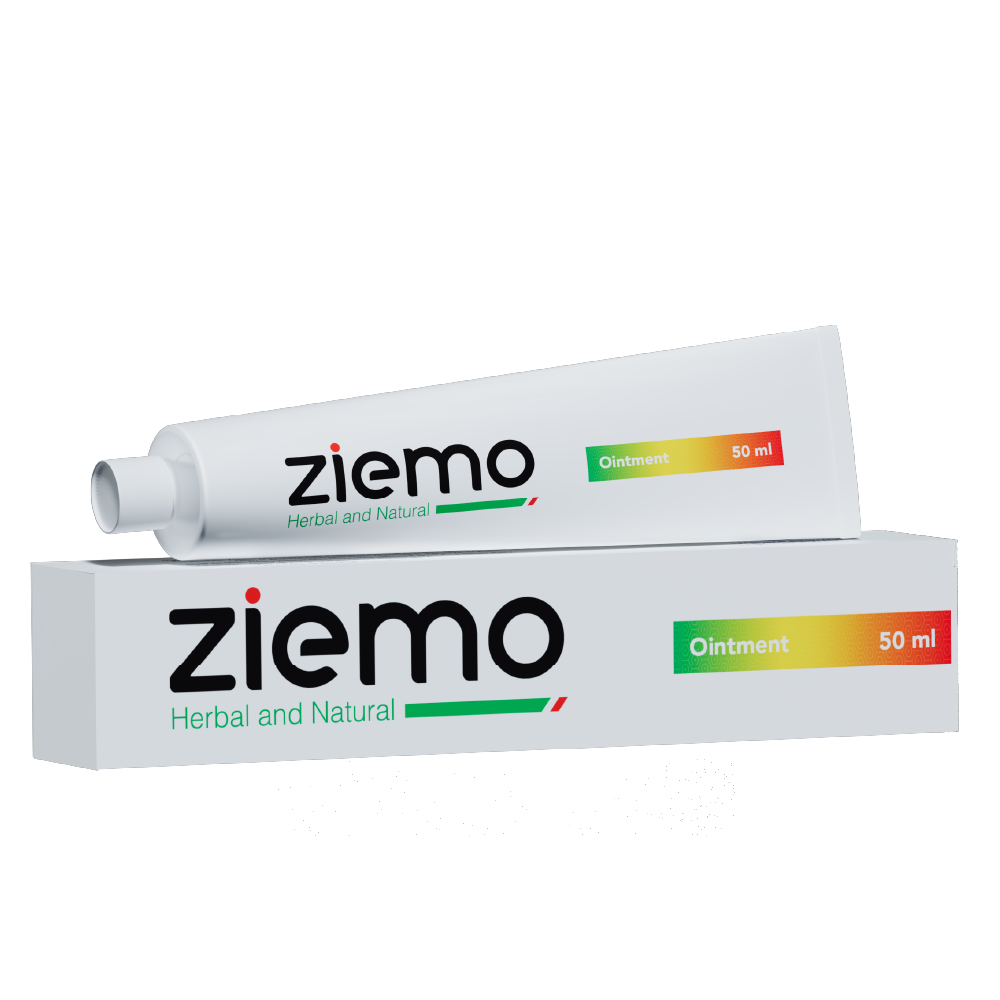
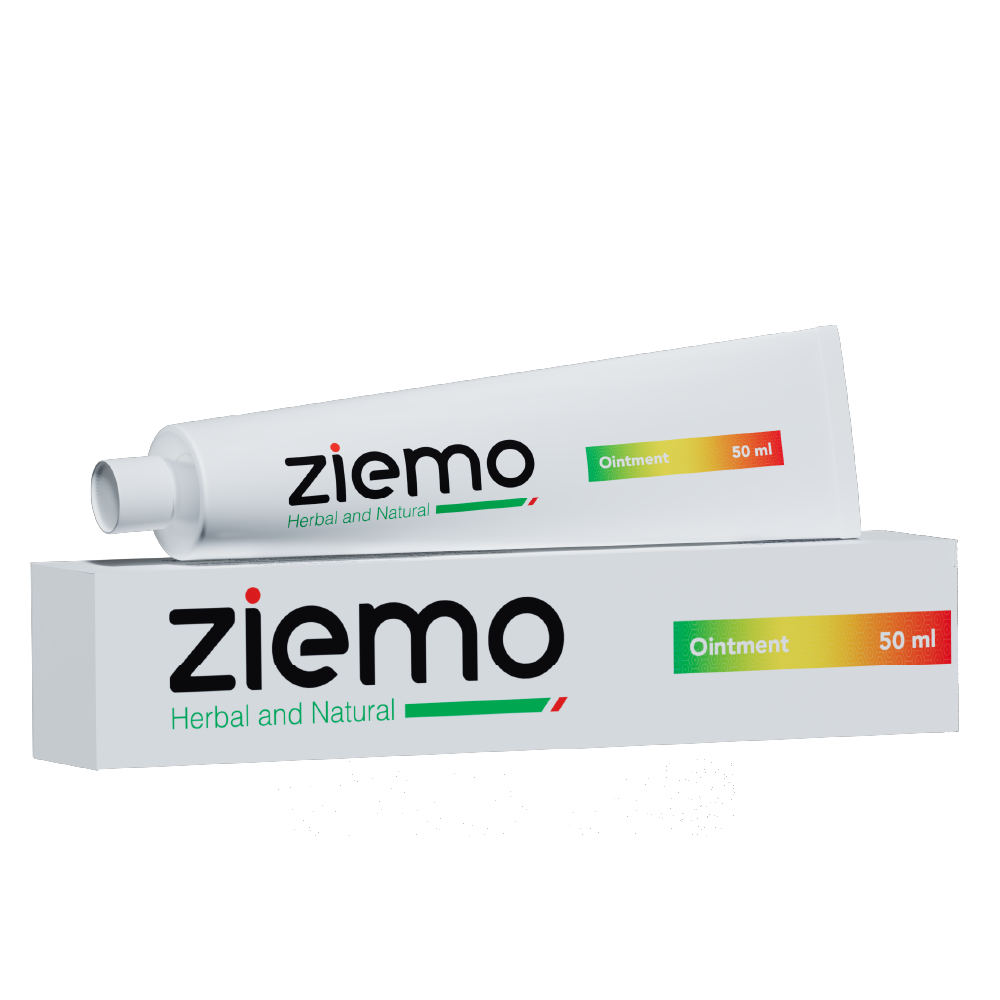
Zimo contains natural extracts that moisturize and improve skin health.
It is used to treat burns and wounds by reducing damage to the affected skin and thus relieving pain. Beta-sitosterol is a natural compound extracted from plant sources and found in some fruits, nuts, and seeds. It offers the added benefit of containing herbal ingredients that: promote the healing of burned skin; protect against secondary infections and scarring; and moisturize the skin to relieve pain. It is considered a naturally derived treatment from medicinal plants that plays an effective role in skin cell regeneration and maintaining its radiance, as it is primarily composed of beta-sitosterol and also contains sesame oil and beeswax. In addition, beta-sitosterol contains 18 amino acids, 4 essential fatty acids, some vitamins, and some sugars, all of which are essential substances that help in skin cell growth. It is used for minor to moderate primary burns and chemical burns; as an ointment for burns resulting from direct and prolonged exposure to sunlight; for wounds in general, including those resulting from ulcers such as bedsores or diabetic foot ulcers; for wounds resulting from surgical procedures such as childbirth, gallbladder removal, skin grafting, or any other surgical procedures involving sutures; and for acne scars. It is used for skin conditions such as allergies, pimples, or rashes, and may be used for diaper rash in children after consulting a doctor. It is also used for skin cracks resulting from dryness or cracked nipples, skin irritation after laser procedures or general skin irritation, anal fissures and hemorrhoids, first-degree burns such as sunburn, second-degree burns (superficial and deep), and third-degree burns (isolating the wound, reducing pain, and accelerating non-surgical regeneration of dead tissue). It reduces pain, fights infection, and accelerates healing. It is used for chronic wounds such as bedsores, diabetic foot ulcers, and leg ulcers, after laser procedures and chemical peels, surgical wounds including cesarean section wounds, circumcision wounds, wounds of the mucous membranes such as buccal ulcers, cracked heels, and cracked nipples.
It is used to treat burns and wounds by reducing damage to the affected skin and thus relieving pain. Beta-sitosterol is a natural compound extracted from plant sources and found in some fruits, nuts, and seeds. It offers the added benefit of containing herbal ingredients that: promote the healing of burned skin; protect against secondary infections and scarring; and moisturize the skin to relieve pain. It is considered a naturally derived treatment from medicinal plants that plays an effective role in skin cell regeneration and maintaining its radiance, as it is primarily composed of beta-sitosterol and also contains sesame oil and beeswax. In addition, beta-sitosterol contains 18 amino acids, 4 essential fatty acids, some vitamins, and some sugars, all of which are essential substances that help in skin cell growth. It is used for minor to moderate primary burns and chemical burns; as an ointment for burns resulting from direct and prolonged exposure to sunlight; for wounds in general, including those resulting from ulcers such as bedsores or diabetic foot ulcers; for wounds resulting from surgical procedures such as childbirth, gallbladder removal, skin grafting, or any other surgical procedures involving sutures; and for acne scars. It is used for skin conditions such as allergies, pimples, or rashes, and may be used for diaper rash in children after consulting a doctor. It is also used for skin cracks resulting from dryness or cracked nipples, skin irritation after laser procedures or general skin irritation, anal fissures and hemorrhoids, first-degree burns such as sunburn, second-degree burns (superficial and deep), and third-degree burns (isolating the wound, reducing pain, and accelerating non-surgical regeneration of dead tissue). It reduces pain, fights infection, and accelerates healing. It is used for chronic wounds such as bedsores, diabetic foot ulcers, and leg ulcers, after laser procedures and chemical peels, surgical wounds including cesarean section wounds, circumcision wounds, wounds of the mucous membranes such as buccal ulcers, cracked heels, and cracked nipples.

No Reviews Yet!
Products you might also like